
What Causes Cataracts and Who Is at Risk?
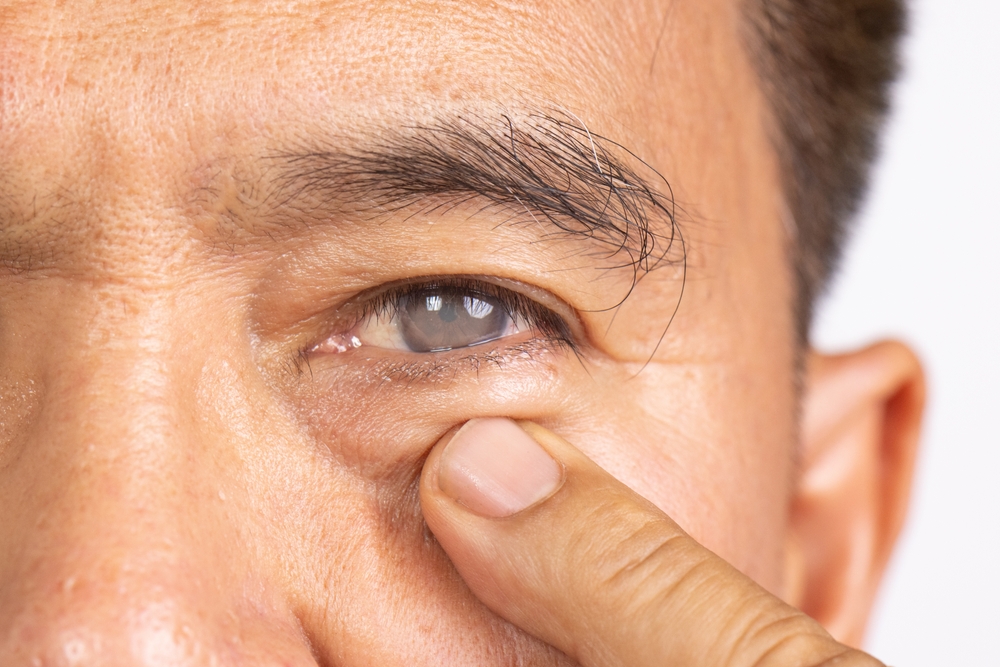
Cataracts happen when the natural lens inside the eye becomes cloudy. This lens helps focus light clearly on the retina, but when proteins in the lens begin to break down and clump together, vision can become blurry, hazy, or dull. Cataracts often develop slowly, which is why many people do not notice changes right away.
At Pflugerville Vision Care, we look for early signs of cataracts during comprehensive eye exams so we can monitor changes in your vision and help you understand when additional care may be needed.
What Causes Cataracts?
Aging is the most common cause of cataracts. Over time, the lens naturally changes, becoming less flexible and less clear. However, cataracts are not only related to age. They can also develop after eye injuries, certain medical conditions, long-term UV exposure, or the use of some medications.
Cataracts may affect one eye more than the other, and they can make everyday tasks like reading, driving at night, or seeing in bright sunlight more difficult.
Common Cataract Symptoms
Cataracts do not always cause obvious symptoms at first. As they progress, you may notice changes in how clearly or comfortably you see. Signs can include:
- Blurry, cloudy, or dim vision
- Increased glare from headlights or sunlight
- Trouble seeing at night
- Colors looking faded or yellowed
- Frequent changes in your glasses prescription
- Double vision in one eye
- Needing brighter light for reading
If these symptoms start affecting your daily routine, it is a good idea to schedule an eye exam.
Who Is Most at Risk?
Anyone can develop cataracts, but some people have a higher risk. Adults over 60 are more likely to experience cataract changes, though they can begin earlier. Diabetes, smoking, heavy alcohol use, previous eye surgery, eye trauma, and a family history of cataracts can also increase risk.
People who spend a lot of time outdoors without UV protection may also be more likely to develop cataracts earlier. Wearing quality sunglasses and keeping up with routine eye care are simple ways to support long-term eye health.
Why Regular Eye Exams Matter
Because cataracts often develop gradually, regular eye exams are important even if your vision still feels manageable. During an exam, we can evaluate the lens, check your prescription, and look for other eye health concerns that may be affecting your vision.
Sometimes, updated glasses or better lighting can help in the early stages. If cataracts become advanced enough to interfere with daily life, we can discuss next steps and refer you for cataract surgery evaluation when appropriate.
How We Help You Monitor Cataracts
Our goal is to help you understand what is happening with your eyes and feel confident about your care. We take the time to explain your exam findings, answer your questions, and track any changes over time. If we see signs that cataracts are progressing, we can guide you toward the right treatment path.
For cataract evaluations and comprehensive eye care, contact Pflugerville Vision Care in Pflugerville, TX by calling (512) 251-4099.

All Eye Care Services
Find personalized eye care excellence with our comprehensive services. From eye exams to advanced diagnostics, trust us for all your vision needs.

Keep In Touch
For non-urgent questions or to learn more about our services, contact us today!
Contact Info
Hours of Operation
Hours of Operation
- Monday 8:45am - 6:00pm
- Tuesday 8:45am - 6:00pm
- Wednesday 8:45am - 6:00pm
- Thursday 8:45am - 6:00pm
- Friday 8:45am - 6:00pm
- Saturday 8:00am - 12:00pm
- Sunday Closed
- *Closed 1-2pm for lunch*
- Monday
- Tuesday
- Wednesday
- Thursday
- Friday
- Saturday
- Sunday
- Monday
- Tuesday
- Wednesday
- Thursday
- Friday
- Saturday
- Sunday
© 2026 Pflugerville Vision Care. All rights Reserved - Accessibility Statement - Privacy Policy - Sitemap
Managed and Designed by 